Friday, May 22, 2026

Primers
This group helps to choose stamps
The Citizens’ Stamp Advisory Committee evaluates ideas from the public
The Postal Service’s Citizens’ Stamp Advisory Committee — known as CSAC — plays a central role in the stamp development process.
Established in 1957, CSAC consists of 10 to 15 people who are appointed by the postmaster general based on their expertise in history, science, education, art, design, literature, sports and other areas of public interest. There are currently 11 members on the committee.
CSAC meets quarterly and evaluates thousands of stamp proposals submitted by the public each year. Every proposal is presented without attribution and receives the same level of consideration. The committee then forwards its recommendations to the postmaster general, who makes the final decision.
After topics are approved, USPS works closely with professional art directors to develop the final stamp designs. Typically, the Postal Service produces about 20 or more stamps each year, including commemorative, mail-use, special and semipostal stamps.
Throughout the years, CSAC members have included such well-known Americans as artist Andrew Wyeth, author James Michener, actor Karl Malden, historian Henry Louis Gates Jr., sports commentator Richard “Digger” Phelps and former second lady Joan Mondale.
Anyone can suggest a stamp, but the proposal must be submitted in writing by U.S. Mail at least three years prior to the anticipated issuance year to allow enough time for research and clearances. The committee does not accept proposals in person, by telephone or email.
Stamp proposals should feature America or American-related topics, although other subjects may be considered if they’ve had a significant impact on American history, culture or environment.
There are some other rules, too:
• People cannot be considered for a stamp while they are alive, but they can be three years after their death.
• U.S. statehoods and events of historical significance are considered on anniversaries in multiples of 50 years.
• Negative events and disasters will not be commemorated.
More information, including the address for submitting a stamp idea, can be found on the CSAC page on usps.com.
“Primers,” a Postal Service explanatory column, appears occasionally in Link.
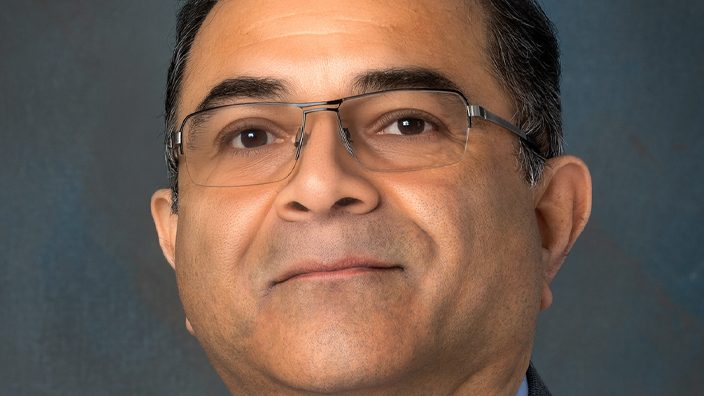
Acting international business VP named
Himesh Patel began his Postal Service career in 1996
Himesh Patel was named acting vice president and managing director of international business effective May 30.
He succeeds Robert H. Raines Jr., who is retiring May 29.
In his new role, Patel will be responsible for the Postal Service’s international strategy, business development, product development, processing and logistics functions.
Most recently, he served as director of international strategy and business development support, where he was responsible for creating a cohesive international business plan and providing guidance to senior leadership on international business policies and programs.
Patel joined the Postal Service in 1996 as an operations research analyst in engineering.
Email us your feedback. Your comments could be included in our “Mail” column.

They’re giving the 411 about USPS
The ‘Mailin’ It!’ podcast hosts answer common questions customers have
The latest episode of “Mailin’ It!,” the USPS podcast, takes on some of the most common questions customers ask about the Postal Service.
The podcast hosts, Karla Kirby and Jeff Marino, read questions and then provide the answers.
The 17-minute episode was released May 19 and is available on Link and other postal websites, as well as most podcast platforms.
News Quiz
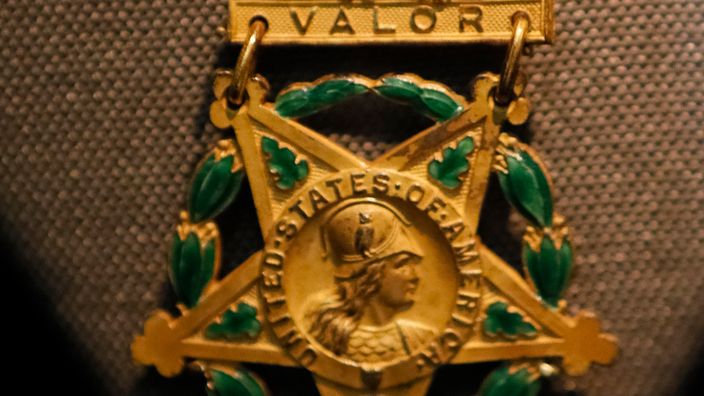
The flag never touched the ground
What do you know about the first African American to earn the Medal of Honor?
“News Quiz” is a weekly feature that lets you test your knowledge of recent Link stories. The correct answers appear at the end.
1. The bravery and heroism of William Carney inspired which of the following movies?
a) “Gettysburg”
b) “Glory”
c) “Shenandoah”
d) “The Searchers”
2. When did the Postal Service release its first bald eagle stamps?
a) 1869
b) 1908
c) 1950
d) 1976
3. Which of the following images is not featured on the American Icons stamps?
a) Apple pie
b) Baseball glove
c) Horses
d) Lighthouse
4. With the addition of Almon Frederick, how many personnel from the Postal Inspection Service have their names etchedin the National Law Enforcement Officers Memorial?
a) 7
b) 10
c) 12
d) 16
5. What is social engineering?
a) Manipulating people listed in users’ contact folders to vote a certain way.
b) Methods to convince people to lure friends into illegal money-making schemes.
c) Tactics used by online platforms to get users to spend more time scrolling.
d) Using psychological pressure to influence people to divulge confidential data.
Answers: 1) b. 2) a. 3) a. 4) d. 5) d.
May 29, 2026
Datebook
Figures of the American Revolution stamps ceremony
The Postal Service will have a special dedication ceremony for its Figures of the American Revolution stamps on Friday, May 29, in Boston.
The event will be held at 11 a.m. Eastern at the Boston Convention & Exhibition Center at 415 Summer St.
Attendees are encouraged to RSVP online.
View past printouts
Printout details
What's included
-
Primers
This group helps to choose stamps
The Citizens’ Stamp Advisory Committee evaluates ideas from the public
-
Acting international business VP named
Himesh Patel began his Postal Service career in 1996
-
They’re giving the 411 about USPS
The ‘Mailin’ It!’ podcast hosts answer common questions customers have
-
News Quiz
The flag never touched the ground
What do you know about the first African American to earn the Medal of Honor?
-
May29Datebook
Figures of the American Revolution stamps ceremony