Tuesday, August 5, 2025
If you work in hot weather, follow these tips
USPS offers a summertime safety reminder for employees
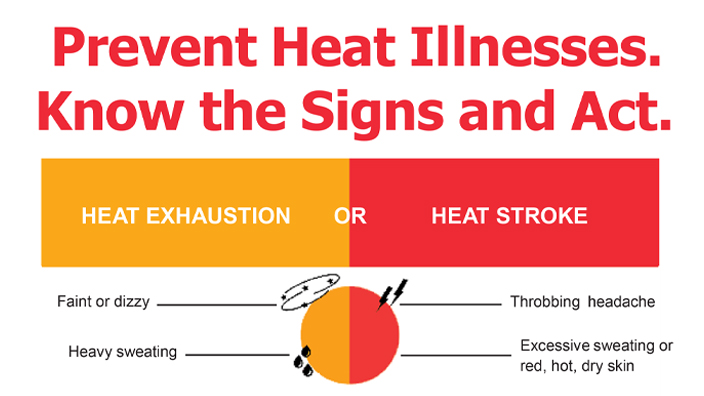
With much of the nation experiencing a heat wave, the Postal Service is reminding employees who work in hot conditions to take the following steps:
• Hydrate before, during and after work — even if you don’t feel thirsty.
• Wear light-colored, loose-fitting and breathable clothing.
• Avoid direct sunlight whenever possible. Apply sunscreen of at least SPF 30 and use shaded areas to stay cool.
The Postal Service’s Heat Illness Prevention Program is designed to ensure that employees are educated about heat-related illness and includes a heat safety awareness poster that is available for all facilities to download from the MyHR website.
The program is in place each year from April 1 through Oct. 31 and is triggered at any other time when weather reports issued by the National Weather Service for a particular work location indicate that the outdoor heat index temperatures are expected to exceed 80 degrees Fahrenheit during a workday or work shift.
Did you get a package you didn’t order?
Take care not to fall victim to brushing scams
The Postal Service is reminding employees and contractors to beware of brushing scams, which can lead to identity theft, compromised accounts and increased spam.
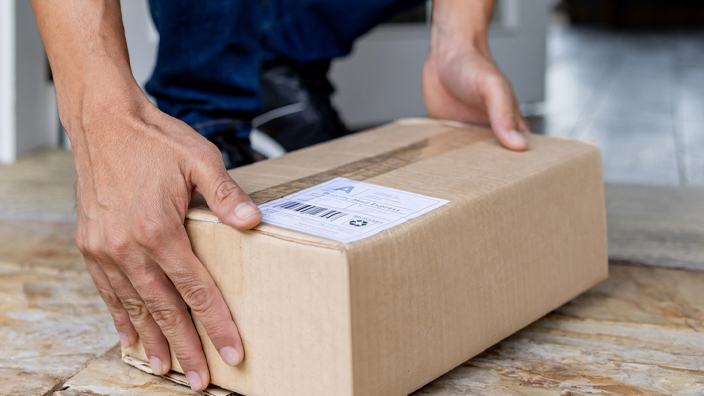
Brushing involves sending merchandise to people who did not order it. Third-party sellers send these packages, typically containing low-value items such as household goods or gadgets, to raise their product ratings and visibility.
The sellers use recipients’ addresses to make it appear as if they are verified purchasers so they can then pose as the recipients to leave fake, positive reviews of the products.
These fraudulent deliveries appear to be harmless, but they may indicate that cybercriminals have access to the recipient’s name, address and phone number. Once this personal information is online, it can be used for various crooked enterprises.
Here’s what you can do if you or someone you know receives an unsolicited package:
• File a report with the Postal Inspection Service;
• Change the password for your email and any accounts containing financial data;
• Do not engage with the sender of the package or you may inadvertently verify your address, which could lead to more unwanted packages; and
• Do not scan any QR codes on the packages because this can install malware on your device.
The CyberSafe at USPS Blue and LiteBlue pages have more information.
Mail
Sign of the times
More praise for the new banners at USPS headquarters
Email us your feedback. Your comments could be included in our “Mail” column.
View past printouts
Printout details
What's included
-
If you work in hot weather, follow these tips
USPS offers a summertime safety reminder for employees
-
Did you get a package you didn’t order?
Take care not to fall victim to brushing scams
-
Mail
Featured reader quote
“The 250th anniversary banners on the USPS headquarters building in Washington, DC, are wonderful. My co-workers and I want a small one to hang on our station.”
— Laura Rivera, San Juan, PR