Tuesday, October 27, 2026
USPS is ready for election season
The organization is once again using ‘extraordinary measures’ to ensure ballot deliveries
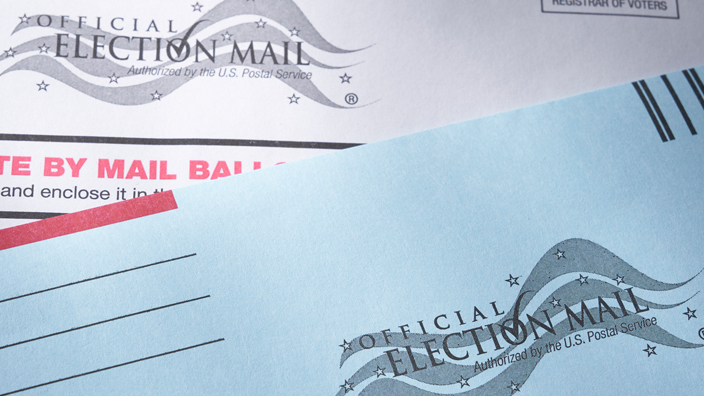
The Postal Service is prepared to deliver the nation’s ballots and other Election Mail this year, USPS officials told the news media last week.
“The Postal Service is confident and ready to deliver a successful Election Mail season,” Postmaster General David Steiner said. “We share a common goal: instilling confidence in all Americans that their Election Mail will be handled securely and delivered reliably.”
Amber McReynolds, chair of the Postal Service Board of Governors, echoed those sentiments.
“The Postal Service has a long and strong record of successfully delivering Election Mail. That record is not accidental, and it reflects extensive planning, close coordination with scores of stakeholders, and the training and commitment of hundreds of thousands of postal employees who understand the importance of this responsibility.”
In 2024, the Postal Service delivered 99.6 percent of ballots from voters to election officials within three days.
The organization has the capacity to deliver the nation’s ballots during the final stretch of the election.
“Our Postal Service employees are diligently working to process and deliver ballots on time, and we ask that voters do their part and mail early,” said Adrienne Marshall, director of election and government mail services.
USPS began deploying extraordinary measures on Oct. 24.
These measures include extra deliveries and collections, special pickups, targeted sort plans at processing facilities to expedite delivery to boards of elections, and localized handling and transportation of ballots.
This is consistent with the organization’s efforts in past elections.
USPS partners with the Postal Inspection Service to ensure safe and secure voting by mail.
“With more than 170 million delivery points nationwide, upholding the security of Election Mail — and all mail — is a team effort,” Brendan Donahue, the Inspection Service’s deputy chief inspector, said.
More information is available in an Oct. 20 news release and on the Postal Service’s Election Mail website.
Have questions about benefits?
USPS employees can get answers during virtual fair sessions
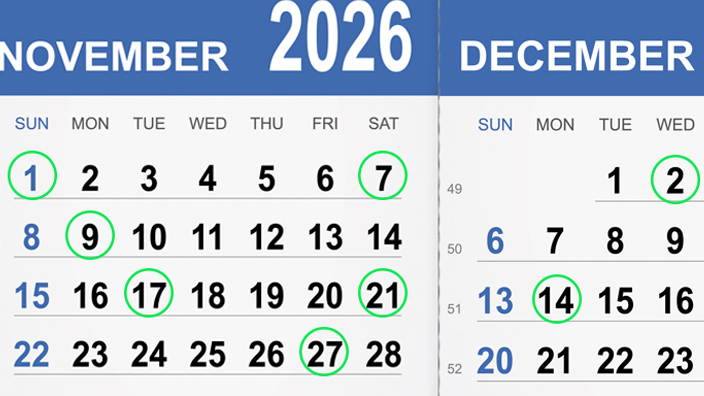
Postal Service employees may participate in virtual benefits fairs throughout this year’s open season, which runs from Monday, Nov. 9, through Monday, Dec. 14.
The digital platform provides resources on the Postal Service Health Benefits Program, the Federal Employees Dental and Vision Insurance Program, flexible spending accounts and workplace wellness.
During open season, employees can go to the fair site 24/7 to visit virtual booths, watch instructional videos and participate in educational seminars and games.
Employees can also participate in live chats and Q&A sessions with benefits specialists and can attend “Open Season 101” webinars during designated days:
• Sunday, Nov. 1, 1 to 3 p.m. Eastern: “Open Season 101” webinar.
• Saturday, Nov. 7, 1 to 3 p.m. Eastern: “Open Season 101” webinar.
• Monday, Nov. 9, 11 a.m. to 3 p.m. Eastern: Live chats.
• Tuesday, Nov. 17, 9 a.m. to 1 p.m. Eastern: Live chats.
• Saturday, Nov. 21, 1 to 3 p.m. Eastern: “Open Season 101” webinar.
• Friday, Nov. 27, 1 to 3 p.m. Eastern: “Open Season 101” webinar.
• Wednesday, Dec. 2, 11 a.m. to 3 p.m. Eastern: Live chats.
• Thursday, Dec. 10, 3 p.m. to 7 p.m. Eastern: Live chats.
• Monday, Dec. 14, 11 a.m. and 3 p.m. Eastern: Live Q&A sessions with benefits specialists.
These dates and times replace information that was listed on a poster previously distributed to facilities. Participation is voluntary and must be off the clock.
Employees can preregister on the fair website beginning Oct. 19, or on MyHR’s Open Season Enrollment page. Employees can also can text “BENEFITS” to 39369 to get open season updates on their mobile device.
Additional coverage can be found on Link’s Open Season 2026 page.
Mail
A sunken postal treasure
Readers praise article on Japan’s underwater mailbox
Email us your feedback. Your comments could be included in our “Mail” column.
View past printouts
Printout details
What's included
-
USPS is ready for election season
The organization is once again using ‘extraordinary measures’ to ensure ballot deliveries
-
Have questions about benefits?
USPS employees can get answers during virtual fair sessions
-
Mail
Featured reader quote
“‘This Post Office has an underwater mailbox’ was an awesome article! I really enjoy reading Link stories. They are very interesting, informative and inspiring. Keep up the...”
— Melonie Booker, Ruffin, NC