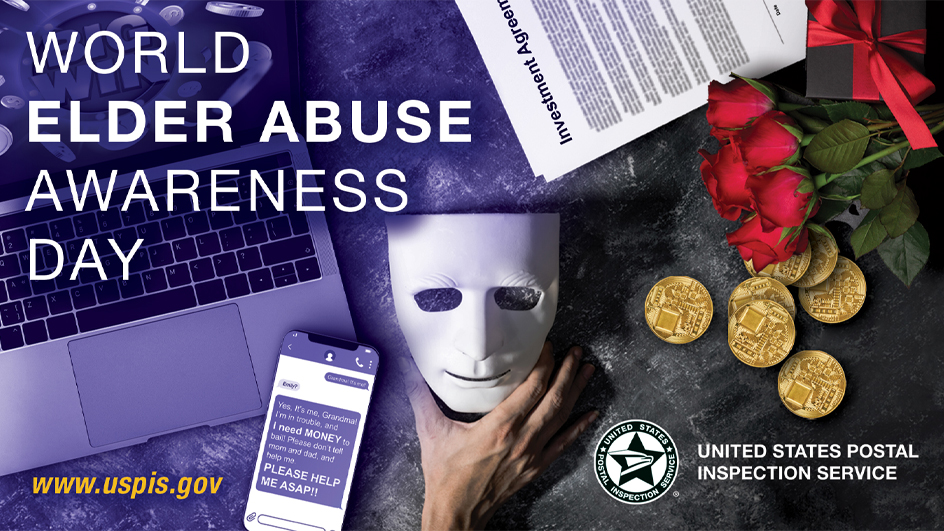
The Postal Inspection Service is marking World Elder Abuse Awareness Day on June 15 by offering tips to employees and customers to help them and the older people in their lives avoid becoming victims of imposter scams.
Advances in technology such as artificial intelligence, or AI, are making imposter scams more realistic and harder to detect.
Imposters pretending to be a person, company or government agency can create highly convincing and personalized content. According to the Federal Trade Commission, imposter scams cost consumers $15.9 billion in 2025.
Here are four common imposter scams and ways to guard against them:
Grandparent scams. Criminals use fake photos and AI voice cloning to pose as grandchildren or other relatives, claiming to urgently need money to pay hospital bills or make bail. These scammers often name a fraudulent lawyer, doctor or police officer who can be contacted.
• Think before acting. Contact the supposed family member’s parent or guardian to verify the story.
• Urgent requests for money are always red flags.
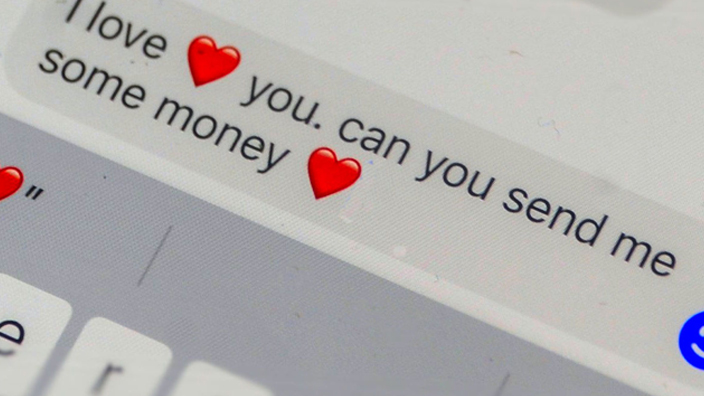
Romance scams. Fraudsters use social media and dating websites to build a rapport with an unsuspecting person and then ask for money to help with a personal emergency.
• Keep conversations on the dating site’s official platform.
• Refrain from revealing personal details. Research the person’s name and address.
• Be leery of anyone who quickly shows a romantic interest, pushes the conversation toward private email, or asks for money.
Fake tech support. After initiating bogus popup warnings on your computer screen or sending emails purporting to be from well-known tech companies, scammers pretend to be IT technicians who need remote access to your computer to scan for viruses.
• Hang up on tech support calls and delete emails that you didn’t initiate.
• Never provide strangers your Social Security number, birthdate, bank account number or home address.
• Be suspicious of anyone requiring payment by gift cards, wire transfer, bank transfer, cryptocurrency or payment app.
Cryptocurrency scams. Scammers create cryptocurrency investment websites that look real but prevent victims from withdrawing the money they’ve sent.
• Research potential investments thoroughly and never invest money based on only one source of information.
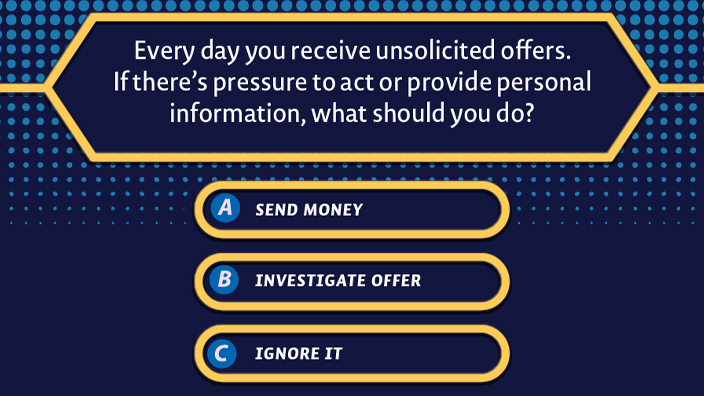
• Be leery of promises of huge profits. Beware of high-pressure phone calls or emails.
“Imposters in all these types of scams are very clever, and they are taking full advantage of AI and other digital innovations,” said Chief Postal Inspector Gary Barksdale. “These scams can fool anyone — especially an older population that might not be familiar with technology-based scams that are prevalent today.”
The Inspection Service’s imposter scam webpage has more information.
To report report a scam, call the Inspection Service’s tip line at 877-876-2455 or use the online form.