During National Consumer Protection Week, March 1-7, the Postal Inspection Service is warning employees and customers about not only AI scams, but also romance scams.
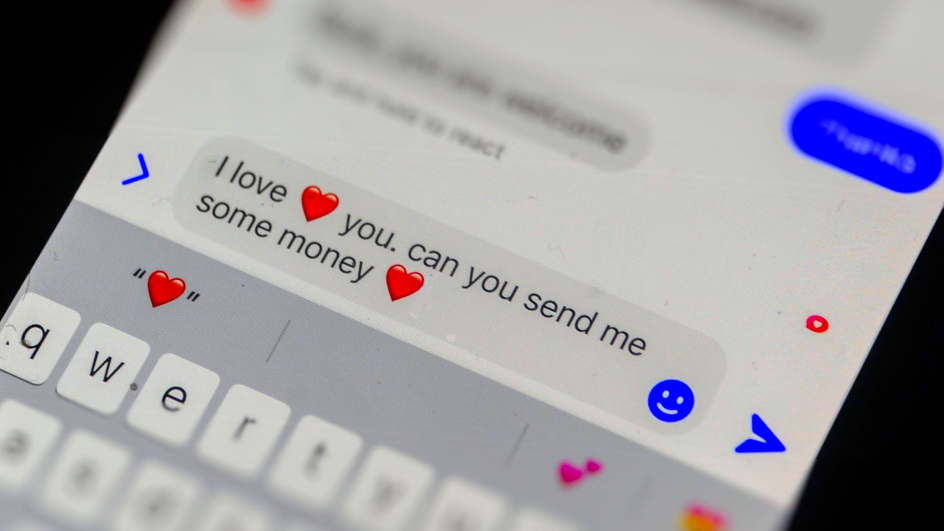
Scammers use social media and dating websites to trick people into romantic relationships. The con begins with the fraudster building rapport with their victim and then asking them to send money.
Often, the grifters create urgency by claiming to have a medical emergency or promising to travel to come be with the person — as long as they are sent money to cover expenses. None of their stories are true.
Although many dating sites try to provide a safe forum for meeting online, customers can take additional steps to protect themselves:
• In any online relationship, keep your personal details to yourself;
• Perform an online search of the other person’s name and the town they claim to be living in;
• Look for inconsistencies in the other person’s profile and the information they share;
• Keep an eye out for signs the relationship is moving in a direction it wouldn’t otherwise go if meeting in real life; and
• Do not take the conversation to private email. Keep communications on the website or app until it’s time to meet in person.
Indications that someone may not be who they say they are include — but are not limited to — giving a name that doesn’t match their email address, suddenly deleting their profile, asking you to send or receive money or packages, and requesting money for a family or medical emergency or a business opportunity.
If you believe you have been the victim of a romance scam, cease all communication with the fraudster and block their attempts to resume contact. If your bank or credit accounts were used, contact the bank and credit provider to put a credit alert or freeze on the accounts.
The Inspection Service has more information on its romance scams page.
Email us your feedback. Your comments could be included in our “Mail” column.