The Postal Service will observe Columbus Day on Monday, Oct. 12.
The holiday’s first observance in the United States took place in New York City in 1792 — the 300th anniversary of the arrival of explorer Christopher Columbus and his crew on an island in what is now the Bahamas.
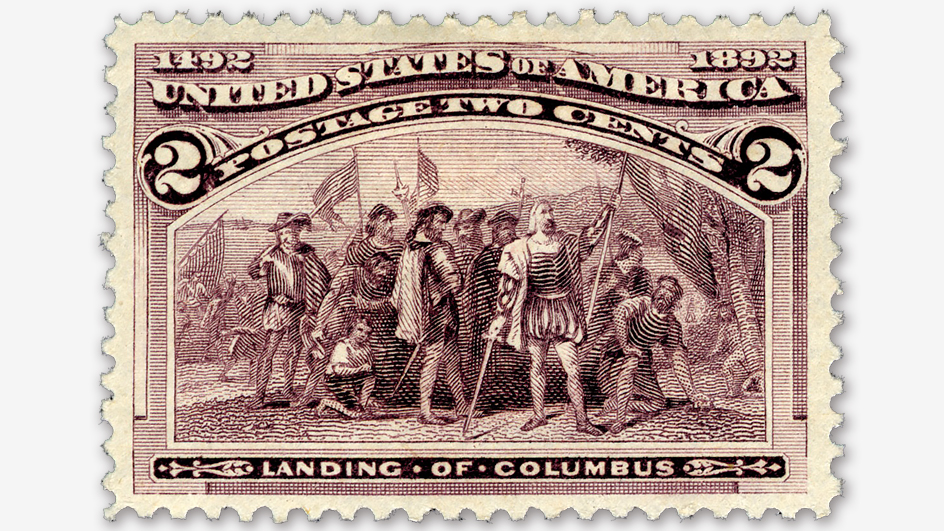
In 1892, President Benjamin Harrison issued a proclamation marking the 400th anniversary as a one-time general holiday. The Chicago World’s Fair — also known as the World’s Columbian Exposition — opened the next year, and the Post Office Department issued its first commemorative stamps celebrating the anniversary.
The Knights of Columbus, a Roman Catholic fraternal order, lobbied for years for the day to be established as a holiday, and many state governments signed on. In 1934, President Franklin D. Roosevelt issued a proclamation designating Oct. 12 as a national holiday.
President Lyndon Johnson’s signing of the Uniform Monday Holiday Act, which went into effect in 1971, established Columbus Day as an official federal holiday and ensured it would always fall on the second Monday in October.
Beginning in the late 1960s, a move began to acknowledge the effects of the colonization on the Native peoples of the Americas that followed Columbus’s voyages. Indigenous Peoples’ Day, also on Oct. 12, is meant as a counterpoint to Columbus Day and celebrates the history, culture and contributions of indigenous peoples.
In many parts of Latin America, Oct. 12 is observed as Dia de la Raza, or “Day of the People,” an observance that simultaneously acknowledges the hardships of European colonization that followed Columbus while celebrating the fusion of cultures that arose from it.
The Library of Congress has more information on Columbus Day, including an online exhibition titled “1492: An Ongoing Voyage.”