The Postal Service wants employees to take precautions to avoid frostbite, hypothermia and other winter health threats.
Here’s what you should know:
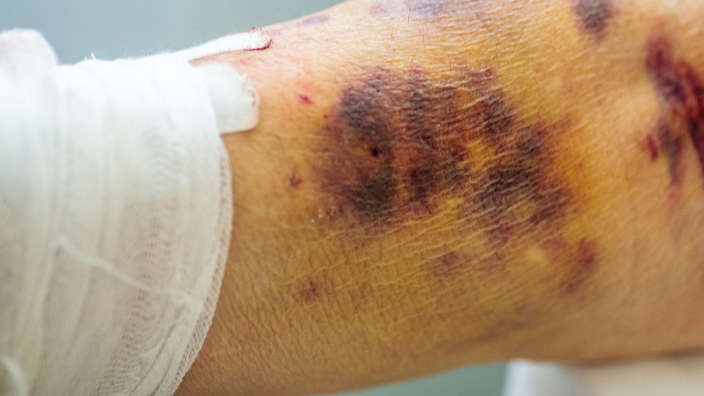
• Frostbite occurs when skin and the underlying tissue freeze after being exposed to extreme cold for long periods. The fingers, toes and feet are most affected, but other extremities such as the nose, ears and cheeks can also develop frostbite.
• At the first sign of frostbite, get out of the cold. Unless necessary, don’t walk on frostbitten feet or toes. Don’t rub the affected area because it will cause more damage.
• Warm the affected area using body heat or by immersing it in warm water. Avoid using a heating pad, heat lamp or the heat of a stove, fireplace or radiator for warming because direct heat can burn damaged tissue.
• Your body needs hydration when it is cold out. Drink warm beverages to replace lost fluids.
• Hypothermia, which occurs when the body loses heat faster than it can be produced, can be deadly if not caught in time. Signs include memory loss, slurred speech and drowsiness.
• If you experience symptoms of frostbite or hypothermia, call 911 immediately and notify your supervisor.
The Safety page on the MyHR website has more information and resources.
Email us your feedback. Your comments could be included in our “Mail” column.