It is important for current and retired Postal Service employees who may be covered by both Medicare and the Postal Service Health Benefits, or PSHB, Program to understand how these programs work together so they can make informed decisions about health coverage.
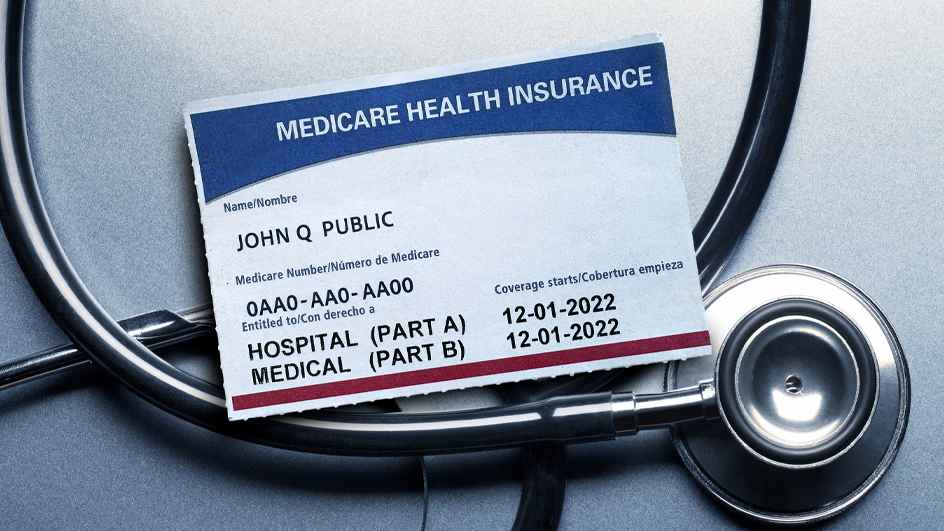
Medicare is a federal health insurance program for people age 65 or older. Some individuals may qualify before age 65 because of certain disabilities, end-stage renal disease or ALS.
Medicare is made up of different parts, each covering specific services:
• Part A (hospital insurance) covers in-patient hospital stays, skilled nursing care, hospice and some home healthcare.
• Part B (medical insurance) covers costs associated with doctor visits, outpatient care, medical equipment and certain drugs administered in a clinical setting.
• Part D (prescription drug coverage) is offered through Medicare-approved private plans. PSHB plans include automatic enrollment in a Medicare Part D plan to manage prescription drugs. This allows for seamless integration, often providing enhanced coverage without needing to sign up for a separate, private Part D plan.
• Medicare Advantage, also known as Part C, combines Parts A and B and may include drug coverage. Costs vary by plans and providers.
For Medicare-eligible Postal Service annuitants and their family members, enrollment in Medicare Part B may be required to maintain PSHB coverage, with some exceptions. Some individuals may qualify for an exception, including:
• Annuitants who retired on or before Jan. 1, 2025, and are not already enrolled in Part B;
• Employees who were age 64 or older as of Jan. 1, 2025;
• Individuals living outside the United States and its territories; and
• Those eligible for certain Department of Veterans Affairs or Indian Health Services benefits.
If you do not enroll in Medicare Part B when first eligible, you may be subject to a permanent late enrollment penalty if you later enroll, which will increase your monthly premium.
PSHB acts as a secondary payee to Medicare Parts A and B for eligible annuitants, often covering deductibles and coinsurance. Understanding how Medicare and PSHB work together can help employees avoid unexpected costs and ensure they have the coverage they need.
The PSHB version of Consumers’ Checkbook Guide to Health Plans provides USPS employees and retirees with a free online tool to compare health plans during open season. It analyzes premiums, deductibles and Medicare Part B coordination to help users choose plans that maximize coverage and minimize costs. Some private plans offer reimbursements toward Medicare Part B premiums.
The PSHB page on MyHR and the Office of Personnel Management’s website have more information.
Additional coverage can be found on Link’s Open Season 2026 page.