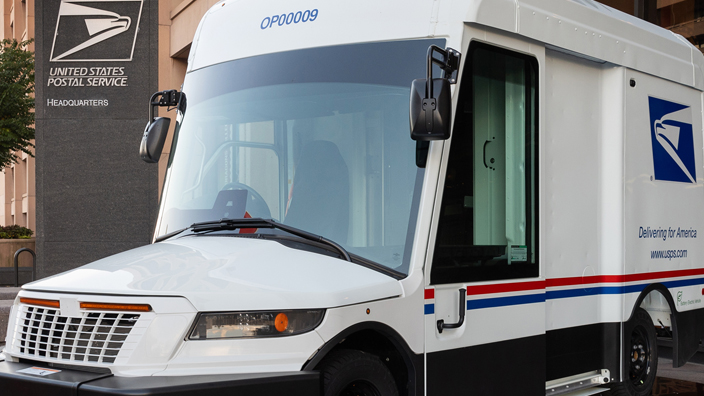
The Postal Service’s $9.6 billion upgrade of its delivery fleet is proceeding apace.
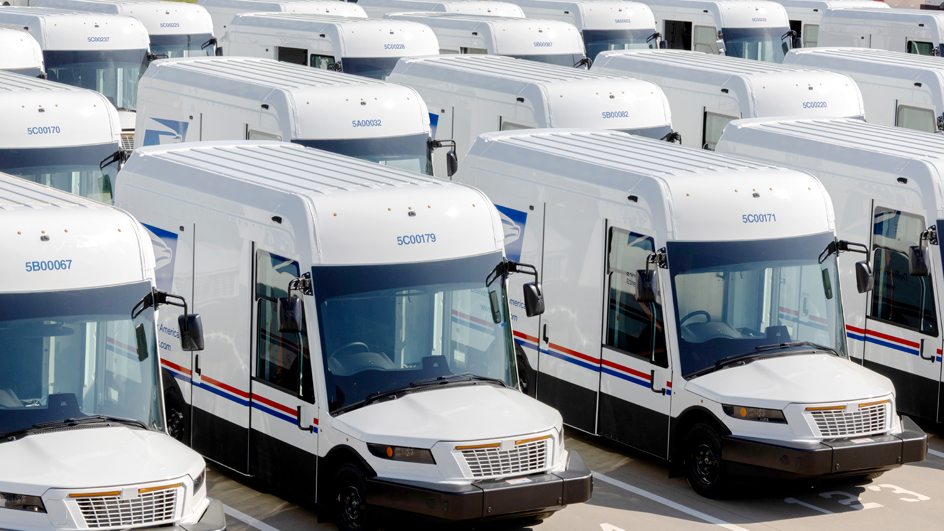
The organization plans to roll out 106,000 new vehicles by 2028, including 45,000 battery-electric next-generation delivery vehicles and 21,000 commercial-off-the-shelf battery-electric vehicles.
Additionally, USPS is upgrading infrastructure at its facilities with the addition of charging stations for the zero-emission electric vehicles, of which over 14,000 have already been purchased.
So far, more than 35,000 new vehicles are on the road.
“The new fleet rollout is proceeding well, aligned with our plan,” said Justin Glass, the Postal Service’s fleet management senior director.
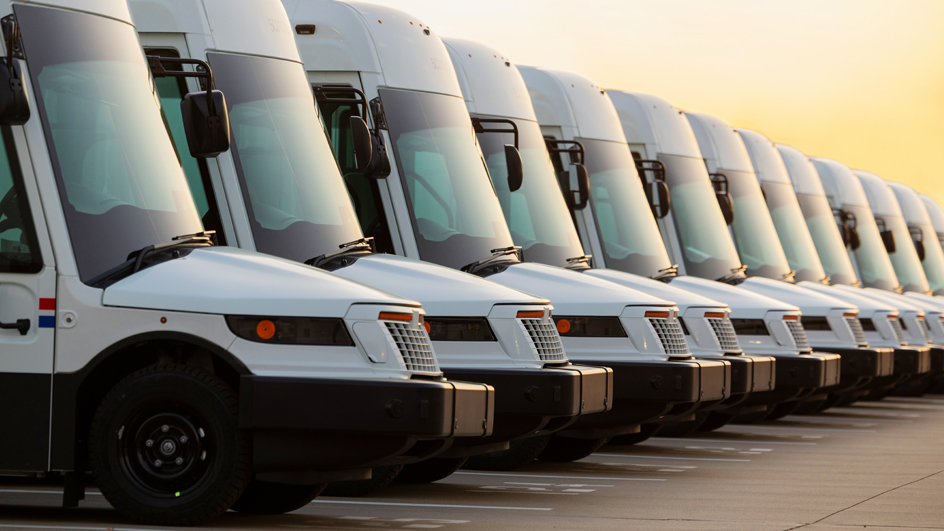
The new vehicles offer better visibility, ergonomic seating, air conditioning, safety features and user-friendly operations, along with increased cargo capacity to allow more packages to be carried per trip, boosting environmental and operating efficiency.
Employees are greeting the new vehicles with enthusiasm.
“What I really like is that they seemed to pay attention to some of the more pressing safety concerns,” said Lyle Meyer, a letter carrier in Erie, PA, who recently became the first in that city to deliver mail in a next-generation delivery vehicle.
The vehicle, also known as an NGDV, will not go into gear if the seat belt is not clicked, for example, and the parking brake engages automatically. The 360-degree camera and parking assistance are also helpful features, Meyer said.
Additionally, he likes that he can “stand up and get mail from the back without getting out.”
Glass said employees will see more new vehicles during the next few years, especially near the Postal Service’s new network of sorting and delivery centers.
“We understand everyone is eager to have the new vehicles in their offices and in their neighborhoods. But remember: This is a multi-year effort,” Glass said.
Email us your feedback. Your comments could be included in our “Mail” column.